
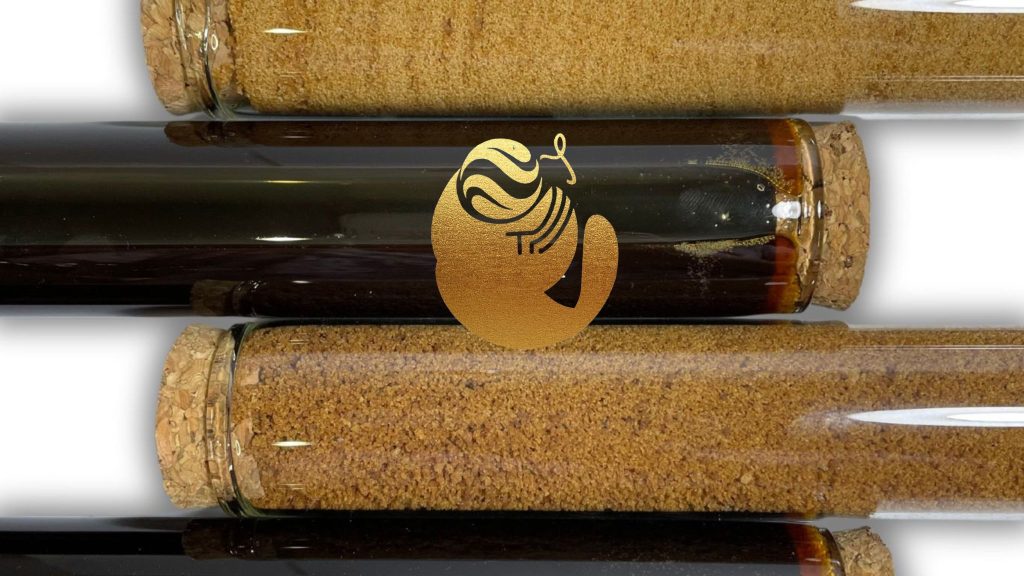
Coconut sugar, also known as coconut palm sugar, is a natural sweetener derived from the sap of the flower buds of the coconut tree. This natural sugar is becoming increasingly popular for its supposed health benefits, delicious flavor, and sustainable production methods. Let’s dive into some fun facts about coconut sugar and explore why it’s making waves in both the culinary world and among health-conscious consumers.

Did you know??
Coconut sugar or coconut palm sugar is not made from coconut, but it comes from the flower of the coconut tree (nectar).
Known as Neera or Kalparasa, this sweet nectar is collected by tapping the unopened coconut spadix (Cocos nucifera).
Does It taste like coconut?
Fun Fact, it doesn’t smell like coconut. Coconut sugar has a combination of sweet taste and light caramel/toffee flavor notes.
Coconut Sugar Is a Sustainable Sweetener
One of the standout features of coconut sugar is its sustainable production. The coconut palm tree, from which the sap is harvested, is known as the “tree of life” because it produces a variety of essential products, including coconut oil, coconut milk, and even construction materials. The process of collecting sap to make coconut sugar does not harm the tree, and a single tree can produce sap for up to 20 years, ensuring a long-term, renewable source of sugar.
Compared to other sweeteners, particularly cane sugar, the environmental impact of coconut sugar production is minimal. Coconut palms use fewer resources such as water and space, making them a more eco-friendly option. Additionally, since coconut palms can grow in diverse climates, they provide farmers with a resilient and adaptable crop.
How Is Coconut Sugar Made?
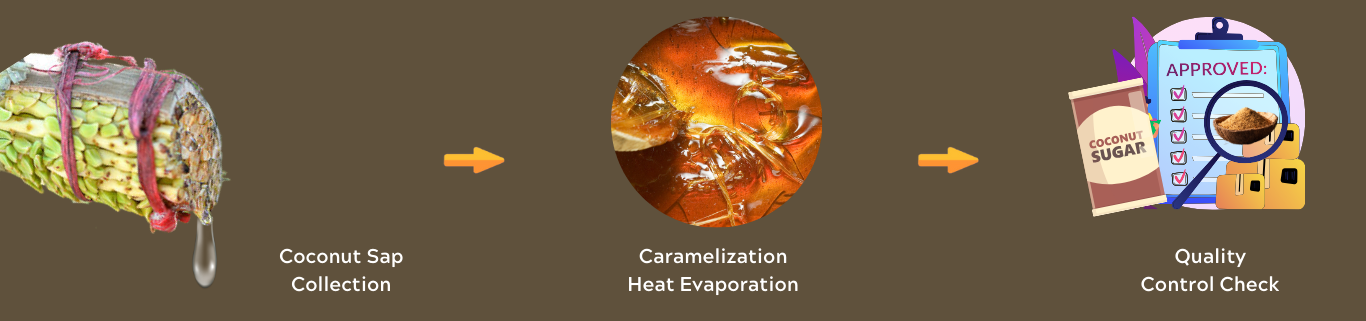
The production of coconut sugar begins by tapping the flower buds of the coconut palm tree to collect the sap. This sap is then heated to evaporate the water content, leaving behind a concentrated syrup. The syrup is further dried and crystallized into the granular sugar we recognize as coconut sugar.
This minimal processing allows coconut sugar to retain more of its natural nutrients compared to highly processed white sugar. The artisanal methods used to produce coconut sugar are often more environmentally friendly, requiring fewer resources and energy, which contributes to its growing popularity as a sustainable sweetener.
Comparing Coconut Sugar with Other Natural Sweeteners
Coconut sugar is often compared to other natural sweeteners like honey, maple syrup, and agave nectar. Each of these sweeteners has its unique properties, but coconut sugar stands out for several reasons:
- Honey is widely known for its medicinal properties and antioxidant content. However, honey has a higher glycemic index than coconut sugar and is not vegan-friendly.
- Maple syrup is another natural sweetener rich in minerals such as manganese and zinc. Like coconut sugar, it has a distinct flavor but tends to be more expensive and has a higher glycemic index.
- Agave nectar is often marketed as a healthier alternative, but it is extremely high in fructose, which can be problematic for metabolic health when consumed in large amounts.
Coconut sugar, on the other hand, provides a good balance between low glycemic impact, trace nutrients, and sustainable production methods, making it a solid choice for those looking for a healthier sugar substitute.
The Impact of Coconut Sugar on Blood Sugar Levels
Although coconut sugar has a lower glycemic index compared to regular sugar, it is still important to remember that it affects blood sugar levels. The inulin content in coconut sugar helps slow down the absorption of glucose, which can contribute to better blood sugar control, particularly for individuals looking to avoid dramatic spikes and crashes in energy levels.
However, for people managing diabetes, it’s essential to treat coconut sugar with caution. While it may cause less of a spike in blood sugar than refined sugar, it should still be consumed in moderation. Consulting a healthcare professional is recommended to determine how coconut sugar can fit into a balanced diet for individuals with blood sugar concerns.
Coconut Sugar Fun Facts as a Cultural Staple
Coconut sugar has been used for centuries in many Southeast Asian countries, particularly in Indonesia, Thailand, and the Philippines. In these regions, coconut sugar is a cultural staple used in traditional recipes for both sweets and savory dishes. Its deep caramel flavor is a key ingredient in famous dishes such as gula melaka, a popular Southeast Asian dessert made from coconut sugar and coconut milk.
Fun facts, as more people worldwide discover the benefits of coconut sugar, it is important to recognize its cultural heritage and the traditional methods used in its production. Many of the farmers who produce coconut sugar are part of small, family-owned farms that have been passed down through generations, and they play a vital role in preserving these time-honored practices.
Coconut Sugar Fun Facts: Unique Names Around the World
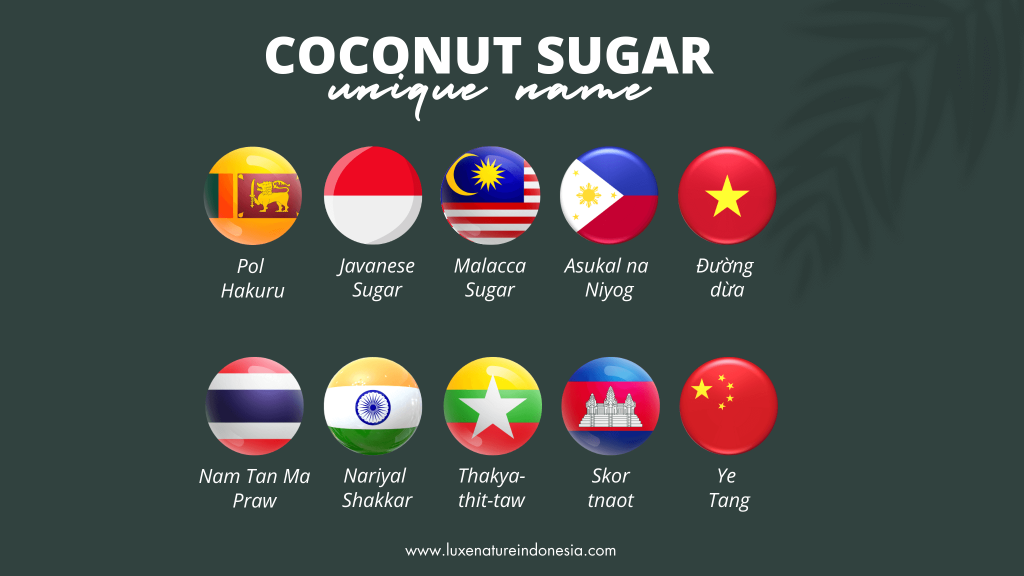
- Indonesia: Javanese/Red sugar
- Philippines: Asukal na Niyog
- Thailand: น้ำตาลมะพร้าว (Nam Tan Ma Praw)
- Malaysia: Malacca sugar
- Sri Lanka: පොල් හක්කුරු (Pol Hakuru)
- India: नारियल शक्कर (Nariyal Shakkar)
- Vietnam: Đường dừa
- Myanmar: သကြားသစ်တော် (Thakya-thit-taw)
- Cambodia: ស្ករត្នោត (Skor tnaot)
- China: 椰糖 (Ye Tang)
Coconut Sugar as a Replacement in Beverages
While coconut sugar is widely used in cooking and baking, it’s also gaining popularity as a sweetener for beverages. From coffee and tea to smoothies and cocktails, coconut sugar offers a rich, caramel-like flavor that complements many drinks. Its low glycemic index makes it particularly appealing to health-conscious consumers who want to enjoy a sweetened beverage without the drastic spikes in blood sugar levels associated with regular sugar.
Fun Facts, cold brew coffee and iced lattes made with coconut sugar have become trendy in specialty coffee shops around the world. The unique flavor profile of coconut sugar enhances the natural richness of coffee, adding depth without overpowering the drink.
For those who enjoy making cocktails, coconut sugar can also serve as a unique twist on traditional simple syrup. When dissolved in water, it forms a syrup with a deeper, more complex sweetness, making it ideal for cocktails like mojitos, old fashioneds, or even as a base for tropical drinks like piña coladas.
A Healthy Choice for All?
While coconut sugar offers several health benefits over traditional refined sugar, it’s essential to remember that it’s not a miracle food. Moderation is necessary, especially for individuals with health concerns like diabetes. However, for those looking for a more natural, less refined sweetener that has a lower impact on blood sugar levels, coconut sugar can be a great option to include in their diet.
Conclusion: Luxenature – Your Trusted Supplier and Exporter of Premium Coconut Sugar from Indonesia
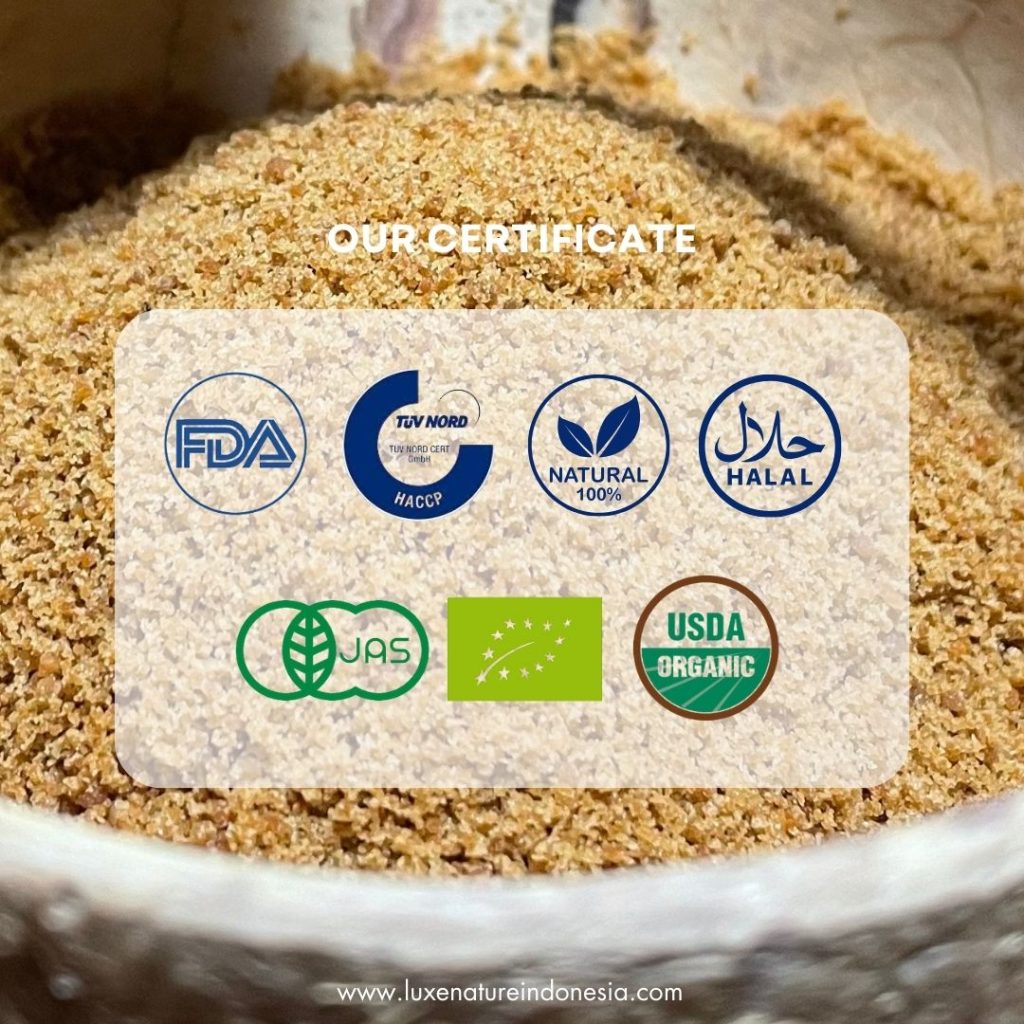
At Luxenature, we take pride in offering the highest quality coconut sugar sourced directly from the fertile lands of Indonesia. Our coconut sugar is produced by skilled local farmers using traditional and sustainable methods that have been passed down for generations. We are committed to delivering a product that is not only rich in flavor but also aligns with the growing demand for natural, organic, and ethically produced ingredients.
Whether you are looking to source coconut sugar for retail, food manufacturing, or specialty health products, Luxenature is your trusted partner. As a leading supplier and exporter, we ensure that our coconut sugar meets international quality standards, and we offer competitive pricing to cater to your business needs.
Partner with Luxenature today, and bring the authentic taste of Indonesia’s finest coconut sugar to your customers around the world.
For inquiries and more information, contact us at Luxenature and let’s grow your business with our premium coconut products.